

The Missed Collection
Julián drove his small red car carefully along the straight road into the port area, both hands steady on the wheel.

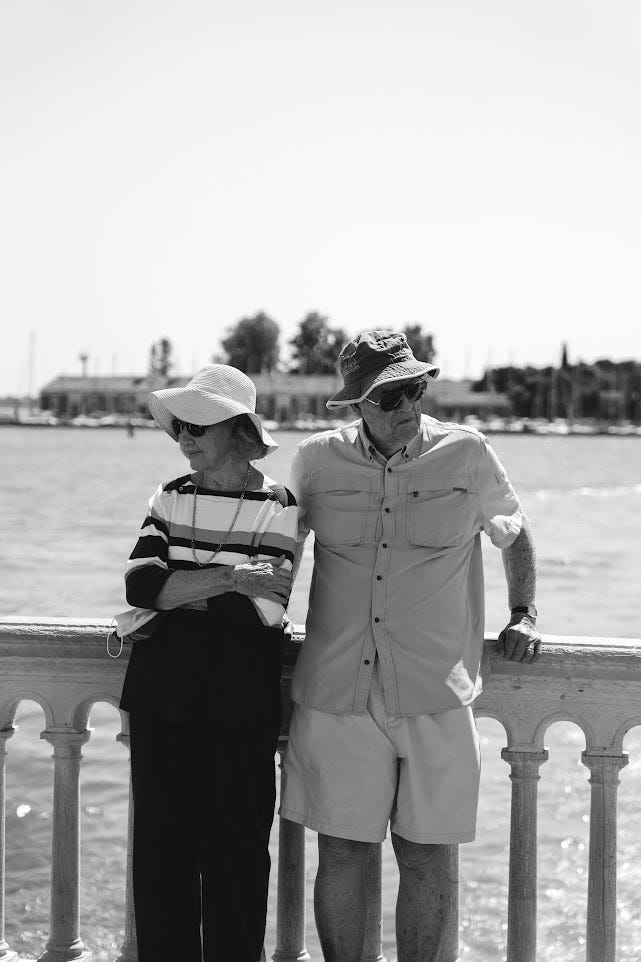
The late-morning sun was already brutal, baking the asphalt and bleaching the edges of the shop signs. His back stuck to the seat. Outside, the sea glittered too brightly, as if trying to outshine everything else.
The car was spotless inside and outside. The dashboard wiped clean, no crumbs on the seats, not even a coin in the cupholder. It smelled faintly of strawberry air freshener and warm upholstery.
“It’s a disgrace, Marisol,” he said. “They missed our collection. An ‘administrativo error,’ she said. Now we’ve got two full bags beside the bin - out in plain sight, like we’re animals. What will the Vecinos think?”
His wife didn’t answer. She gazed out the window, sunglasses perched on her nose, expression unreadable. Probably watching the sun shimmer off the tiled roofs, or the stray cat darting between parked mopeds.
Julián sighed, louder this time. “Viviana cancelled. Cancelled! Because of rubbish.”
Marisol nodded, vaguely. “She didn’t cancel. You told her not to come.”
“We couldn’t host her with two rubbish bags on full display. What would she think of us - plastic poking out, flies buzzing... in this heat?”
She continued looking out of the window without responding.
He hated when she did that. Forty-one years of marriage and she still knew how to weaponise silence. Sometimes he thought they’d both just... stopped. Stopped trying, stopped listening. Like two old radios stuck on different frequencies - both still switched on, but playing to empty rooms.
They were now in the heart of the port, where the heat thickened and the air lost all sharpness. Both sides of the street were lined with cafés and souvenir shops, each front scrubbed clean and colour-coded, as if part of a themed resort. The breeze carried hints of salt, diesel, and frying oil - though even those smelled faint, dulled, like they’d been filtered for tourists.
Julián remembered when the port was rougher, messier. Before the matching awnings and printed menus. Fishermen used to shout to each other coarsely in the local dialect, and you could smell the real sea - raw and sour and alive. Now it was laminated smiles and overpriced helado.
Sweat prickled at his temple. Nothing stirred in the heat. The shopkeepers moved slowly, their faces shiny, and the same loop of tourist music stumbled from hidden speakers - hollow and harmless, like the port itself was stuck on repeat.
Another day, just like the last.
“I’m going to the shop,” Marisol said, unbuckling her seatbelt. “Need to pick up crema and maybe some almendras.”
“I’ll wait,” Julián muttered.
She didn’t answer. Just stepped out and shut the door with the same soft finality she always did.
He sat for a moment in the heat. Then, from the corner of his eye, he saw a panda.
A man in a panda suit, slumped in a folding chair outside a faded arcade, the head off and resting on the ground beside him. His face was slick with sweat, the skin drawn and a little too pale, like he hadn’t slept properly in days.
There was something still about him - not relaxed, but paused - his eyes distant and unblinking as he held a clear plastic cup filled with melting ice water. Julián frowned.
He got out of the car, crossing the quiet street. His knees complained with every step.
The panda man barely looked up.
“Hot in there, no?” Julián said.
The man gave a short nod, polite but blank.
“I used to work in quality control,” Julián said, standing beside the chair. “Local biscuit factory. I wore a tie, checked the batches. People respected that back then.”
The man in the panda suit didn’t react. His eyes stayed fixed somewhere in the middle distance.
“They missed our bin collection this week,” Julián added. “Just skipped our house entirely. No explanation. I had to leave two bags next to the bin - in this heat! You can imagine the smell. No accountability. My wife’s sister cancelled her visit because of it.”
Still nothing.
“And it’s not the first time,” Julián continued. “Couple of years ago they refused to take the bin because someone had thrown a paint tin in. I took it out - removed it straight away - but they’d already moved on. Said they couldn’t come back. Rules, apparently.”
The panda man turned his head slightly. His face was unreadable, but his voice was low and tight when he spoke. “Is that all you have to worry about?”
Julián blinked. “Perdón?”
The man stood and leaned close to Julián. His eyes were red, intense, but not unkind. “You wouldn’t believe what people are dealing with,” he snapped. “And you’re standing here crying about bin bags? Like that’s the tragedy of your life?”
Julián’s mouth opened, then closed again. The sound of the street filled the silence - wind, sandals, seagulls. Something distant and ordinary.
“I should get back to my wife,” he said, quietly.
The panda man looked away, drained.
Julián crossed back to the car. His face felt hot. Whether from heat or humiliation, he couldn’t say.
He got in and sat staring forward at the ocean, both hands resting on the wheel. The water stretched, vast and indifferent, a blue so immense it made the bin bags seem suddenly, crushingly ridiculous. Yet the hot shame on his face remained.
A few minutes later, Marisol returned, her small paper bag folded neatly under her arm.
“They didn’t have crema,” she said. “Got sunflower oil instead.”
He nodded.
She climbed in. Adjusted her seat. Rolled the window down halfway.
Staring straight ahead, not turning her head, she asked, “Are you okay?”
“Sí,” he said, still not looking at her.
They sat in silence. Outside, the port carried on - the same tinny music, the same tired shops, the same heat soaking through the windscreen.
Marisol said nothing more. She placed the bag on her lap and folded her arms.
Julián started the engine.
The car gave a small shudder, then settled.
He checked the mirror. Signalled. Pulled out.
Neither of them spoke as they left the port behind.
I’ve read ‘Inside the Suit’, ( a wonderfully emotive, descriptive story full of sensory experiences that really bring your writing alive and touch the soul), and each short story that you write is like giving me another piece to add to the jigsaw that introduces new characters and enriches the pictures contoured up in my mind. I love the mastery you display in the choice of language used to sensitively describe the relationships between the characters - they become so real and credible. Another superb story!
“A man in a panda suit, slumped in a folding chair outside a faded arcade, the head off and resting on the ground beside him. His face was slick with sweat, the skin drawn and a little too pale, like he hadn’t slept properly in days.”
This conjures up such strong feelings. You’re truly putting something meaningful into your work, Wayne! This is powerful