

false spring – part 1
Not every misstep begins with malice. Not every silence is forgiveness.

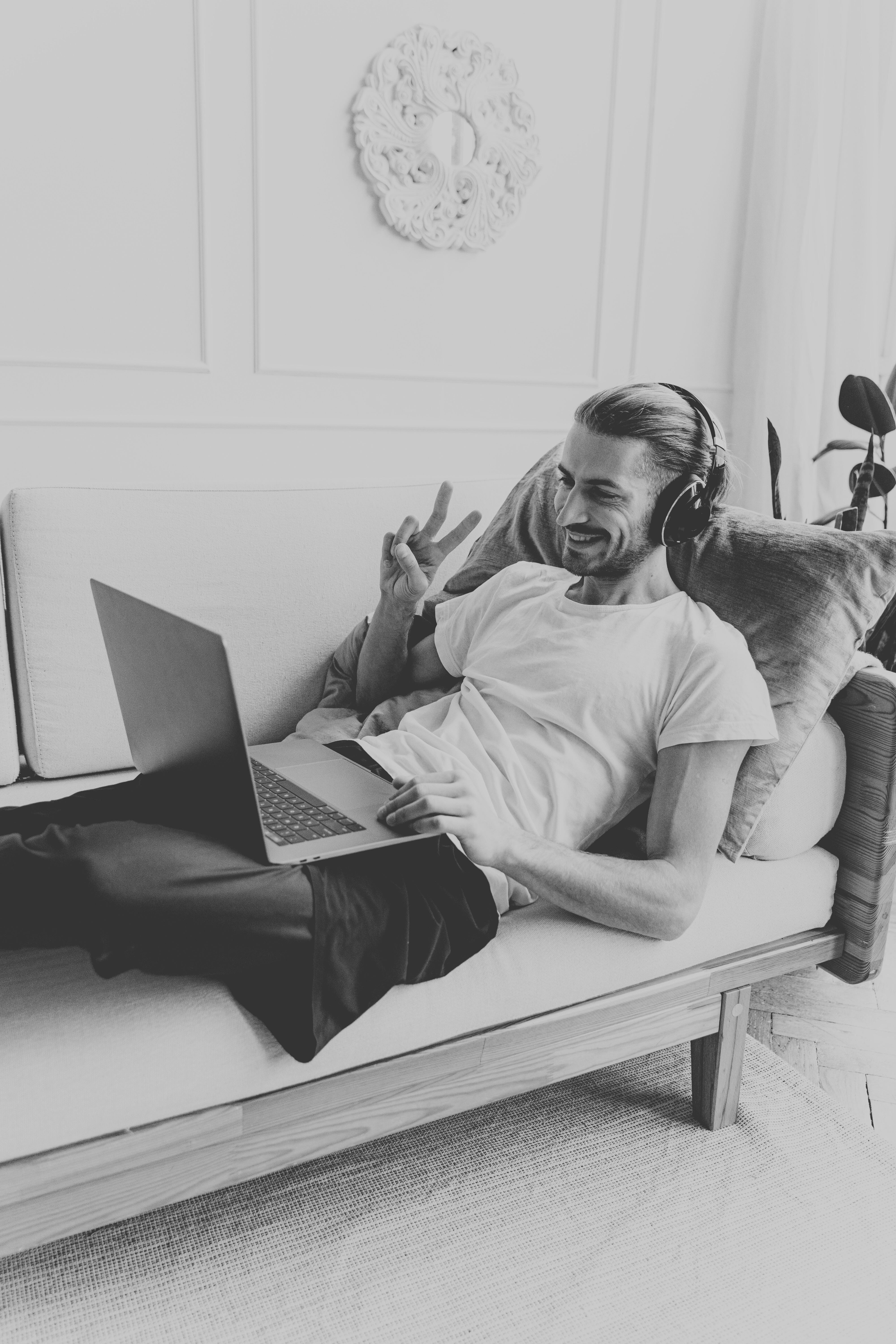
Friday 20th November 2020
He hadn’t set foot in the company’s head office—not once. Not even to pick up his laptop. It arrived by courier, double-boxed, with a printed welcome note and a QR code linking to a video from the CEO, who grinned, standing in front of a wall emblazoned with the company values and said, “We’re so glad you’re here.”
For the first few weeks, Jack watched that video every morning. Not ritualistically, but because it gave him reassurance. A way of reminding himself that he did, in fact, exist within something. That he belonged to a company.
England had just entered another lockdown. Schools were closed again. People were panic-buying pasta. The numbers on the news were grim. Hospitals were struggling, headlines pulsing with charts and phrases like “flatten the curve” and “muted Christmas.” The streets were half-empty, and inside, everything felt muffled.
He was thirty-one. Lived alone. The flat was on the third floor of a converted warehouse, one with high ceilings and big windows that let the grey in. For months, the flat had been just that—an airy space. But once the job started, it gained shape and rhythm. Coffee at 8:15. Stand-up at 9. Slack messages, task tickets, shared screens. In some ways, it was the best structure he’d ever had.
The role was data analyst—his first real break. He’d studied data science at university and worked temp contracts since graduation, scraping by on short-term gigs that never turned permanent. This job—at a large logistics company with a sprawling digital infrastructure—was the one he’d dreamed of. His position sat within a sub-team that managed operational insights—cleaning datasets, running reports, helping the company understand itself through numbers. It was work that suited him: quiet, detailed, measurable. And it came with a salary, a pension, and an email address with his name on it.
The team were all adapting. Unlike Jack, most of them had worked there pre-pandemic, but the shift to remote work had changed everything. No one had expected to still be working from bedrooms and kitchen tables nine months in. People joked about pyjamas and sourdough, but there was a tiredness underneath it all—kids off school, care responsibilities, internet problems, long days blurring into long nights. Even so, they kept showing up—camera on, or sometimes off, ring lights haloing tired faces.
There were eight of them on the team. He learned their names in clusters—first the ones who spoke a lot (Daniel, Hannah), then the ones who made him laugh (Priya, Rich), and eventually the quieter ones, whose voices arrived with delay or crackle. Mia was the one who first messaged him directly, after he’d made a passing joke in a meeting about how he always wore socks in bed, even in summer.
“Beige flag,” she’d written, followed by a crying-laugh emoji. He’d replied, “Don’t knock it till you try it,” and she’d sent back a gif of someone recoiling in horror. He stared at the gif, replaying it three, four times. Was it a recoil of playful disgust or genuine horror? He decided it was playful. He smiled for hours after that. Like he’d passed some kind of test.
From there, it was easy. Or it seemed easy. The messages flowed. She had a dry humour, unshowy. They sent each other links during meetings—odd headlines, memes, once a Spotify playlist called Songs to Cry-Shower To. It was the type of work friendship that once would have been built around side comments and shared looks over monitors. Only now, the side comments were made through the monitors.
He told his parents that he loved the job. That it suited him. And it did. He liked being part of a team, of having his face in a little square alongside other faces. He liked when someone said, “Nice one, Jack,” in a meeting, or when his name was tagged in a thread with a thumbs-up. It meant more than he had expected. He hadn’t realised how badly he’d missed being needed.
A monthly social call had been booked in the diary by the operations manager. It was to “support the mental health and morale of the team.” No one was forced to go. Almost everyone did. The vibe was always loose—drinks, bad quizzes, breakout rooms with awkward icebreakers. In November’s social call, they played bingo. The squares were silly: “A cat appears,” “Free space if you’re wearing joggers,” “Mention of banana bread.”
Jack had poured himself a drink—a craft beer he didn’t really like but thought made him trendy. He had his ring light on. He’d spent longer than usual on his hair. He even jotted down a couple of talking points on a sticky note—”ask about Daniel’s holiday,” “mention the new podcast”—just in case the conversation lulled. There was music playing softly through a mic, Daniel had changed his background to a beach. People were laughing. Priya joked that she should host a virtual karaoke night and no one told her not to.
The mood felt easy, generous. Jack was mid-sentence when he said it. Not loudly. Not with any particular emphasis. More like a throwaway line, said with the cadence of a joke he thought would land:
“I mean, come on, we’re all only dressed from the waist up, right? I’ve been completely naked from the hips down all week.”
There was one awkward laugh—a short, surprised sound. Then a pause. Hannah looked down. Then a change of topic. Rich was talking about his dog. Mia had turned her camera off.
He didn’t think much of it.
After the call, he stayed sitting at his desk for a while, the screen now dark. The flat was quiet. He could still feel the warmth of the music and the laughing. He opened Slack, thought about messaging Mia, decided to wait.
He brushed his teeth and stood by the window in the half-dark, watching the street. He felt content. Like maybe, after the false starts and the strange years, he was finally part of something. Finally visible.
In the morning, the team thread was quiet. No photos from the social, no debriefs. Just the usual trickle of tasks. He tried not to overthink things. People were probably tired. Or busy.
Mia didn’t reply to his message.
That afternoon, he received a calendar invite from HR.
“Quick chat—please accept.”
He did. Without hesitation.

I really enjoyed this piece. It flowed smoothly, and the details, particularly, are so vivid.Jack's willingness to be a part of something is a feeling that I think readers will resonate with. You capture the office dynamics in a pandemic so well. The HR cliffhanger also worked really well! I'm curious to know about what will happen regarding that, and I'm also eager to learn more about Jack.
I enjoyed your story, Wayne. It flowed very naturally. I identified with Jack. There is a lot of information that is usually communicated through body language that is not communicated adequately over zoom calls that it often makes it challenging to read the room. Throw in social awkwardness and you have a perfect recipe for misunderstanding.