

People We Never Meet
I was at work when the news broke. My phone buzzed – just another news alert, I thought. But then I glanced at the screen, and the words stopped me cold: Diogo Jota, dead at 28.

He and his brother had been killed in a car crash in Spain. I looked again, just to be sure I hadn’t misread it. I remember sitting there, staring at my phone, and feeling a strange, heavy quiet. I’d never met him – it still hit hard.
Jota was more than just a footballer – though a brilliant one, no doubt. He played for Liverpool and for Portugal, a striker known for his sharp instincts, relentless pace, and that rare mix of hunger and humility. A father. A teammate. The kind of striker who made defenders panic – like a wasp in the penalty box. And now – just, gone.
I found myself shaken in a way I didn’t expect. And I wasn’t alone. Tributes poured in from fans, players, pundits, and even people who didn’t follow football. Outside Anfield, a tide of scarves, flowers, and handwritten letters began to rise.
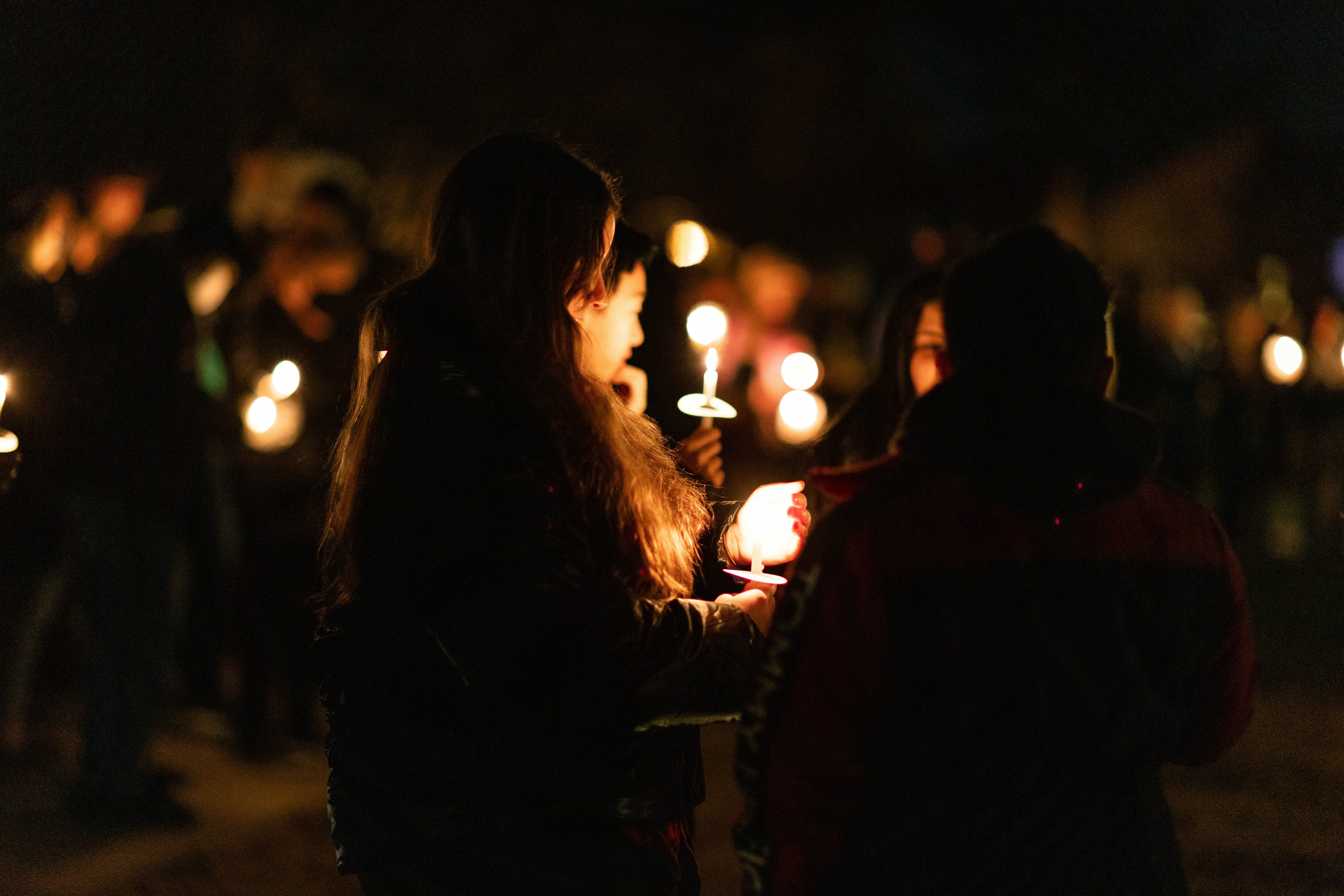
In his hometown of Gondomar, the grief was even more personal. Streets were silent. Banners from rival teams were hung in solidarity. Porto fans stood beside Sporting fans. People who would never speak on match day wept side by side. A mural was painted within hours of the news, and candles flickered in front of it into the early morning. The mourning was local, but rippled outward.
Because when someone like Jota dies, it’s not just the loss of a player. It’s something deeper. It’s the loss of a shape in the world – a reminder that youth and strength, and even joy can evaporate instantly.
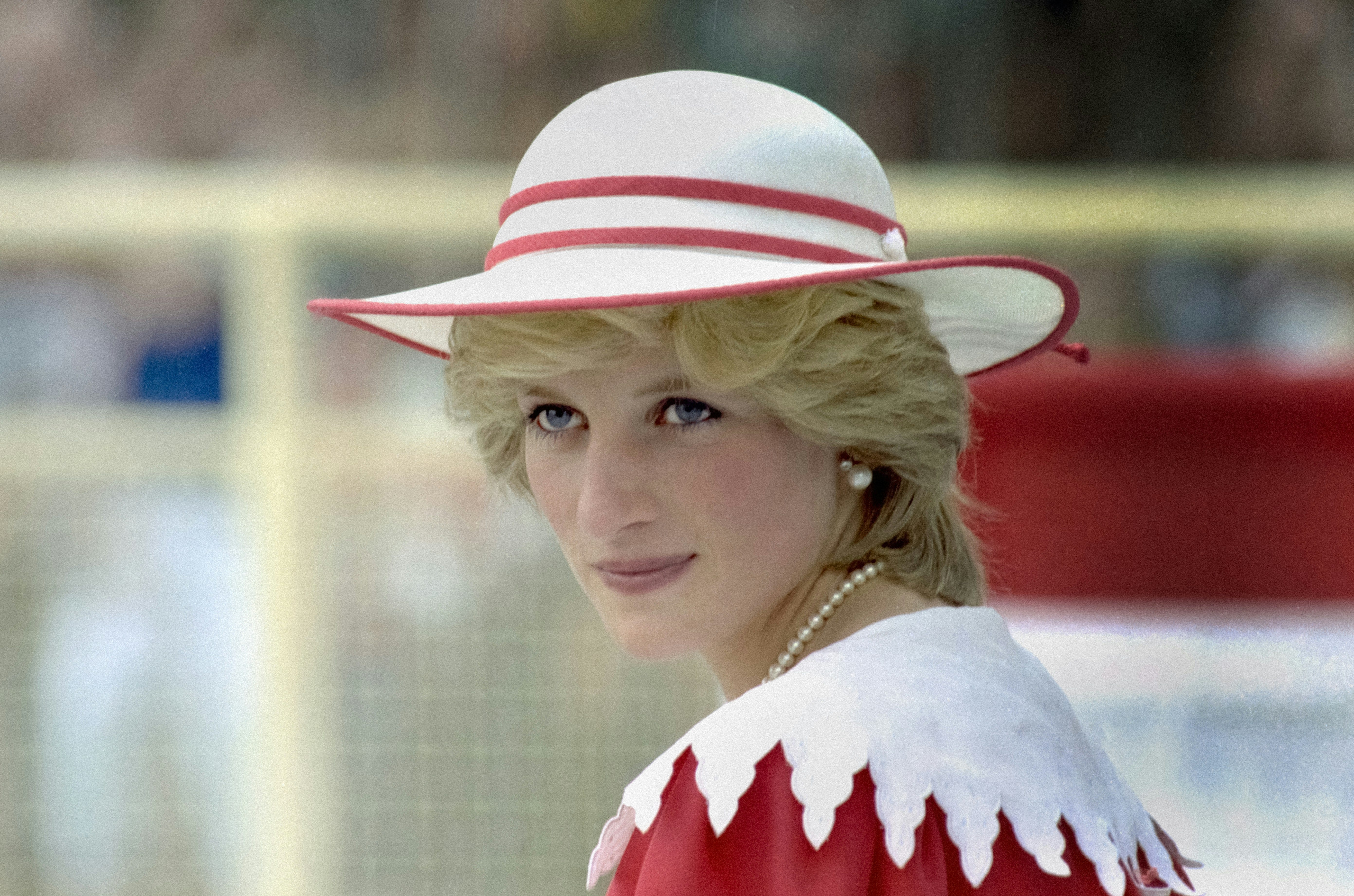
It reminded me of something I’d felt as a teenager – when Princess Diana died. I was sixteen. I remember the stillness that fell over everything. The constant news coverage. The sea of flowers outside Kensington Palace. People crying in the streets – people who had never met her.
At the time, I didn’t understand it. A friend asked why someone could cry for Diana but not for their own family. I wondered the same thing.
What I didn’t realise then was that we weren’t just grieving Diana. We were grieving through her.
Her death cracked something open.
I’ll admit – at sixteen, I didn’t know a great deal about her beyond the headlines. I knew the glamour, the adoration – but the depth of who she was didn’t land until years later.
As I got older, I started reading more about her life. One image that cut through all the noise was of her reaching out and touching a man with HIV. In 1987, that gesture broke a powerful taboo. It said to the world: this is not someone to be feared. This is someone to be held. It changed things.
She stood for something you couldn’t quite name – but felt all the same. A kind of softness inside something hard. Vulnerability wrapped in duty. Grace under pressure. She was royal – but she wasn’t remote. She crossed class lines, unflinchingly touched pain, and reminded people of something we often forget until it’s too late:
That it’s okay to feel.
When Jade Goody died in 2009, the nation’s response revealed something else entirely. She’d been mocked, tabloid-fuelled, torn apart on reality TV – and then, in her final months, we suddenly remembered she was a person. It was awkward. And overdue. But real. People saw her pain. Her fear. Her honesty. Her death sparked renewed conversation about class, about trauma, and led to a rise in cervical cancer screenings by half a million.
In mourning her, many were mourning the systems that failed her – and the parts of ourselves we sometimes try to look away from.
In July 2023, Sinéad O’Connor passed away. Beyond the haunting vulnerability of Nothing Compares 2 U, her death sent me searching. I read more. I watched the documentary. I learned about her fierce commitment to feminism, to LGBT rights, to speaking out when it wasn’t safe or welcome. Her grief had always been public – the loss of her son, her battles with mental health, the backlash she faced for telling the truth before the world was ready to hear it. When she died, we weren’t just mourning her. We were mourning everything she carried, everything she dared to show us. Her vulnerability, like Diana’s, made space for our own. And she paid a price for it too.
As I kept thinking about these moments, I started to wonder if grief itself isn’t just emotional – but evolutionary. Something older than even memory.
These deaths didn’t just break hearts – they broke patterns. They made people look up from their phones and say, “Wait. Why does this hurt so much?”
What We Mourn vs. Who We Mourn
Public grief often splits in two: the symbolic grief of what someone represented, and the actual grief of who they really were. When Pope Francis died this year, many mourned not just the man, but the tone he set – the warmth, the gentleness, the rare humility in public leadership. His passing signalled not just the end of a life, but a shift in moral atmosphere.
Diogo Jota’s death was the loss of possibility. Strength. Joy. Youth. He was at the height of his life and had his wedding less than two weeks before the fatal accident. Then, nothing. His death wasn’t just sad – it rattled something cosmic. If even someone like him, so alive and so in his moment, could be gone in an instant, what hope do the rest of us have?
As C. S. Lewis once wrote, “No one ever told me that grief felt so much like fear.” That’s exactly the ache we feel when someone like Jota dies: not just sadness, but the eerie knowledge that nothing is promised. That we are not in control. That life is fragile. That success, fitness, youth – none of it can save us.
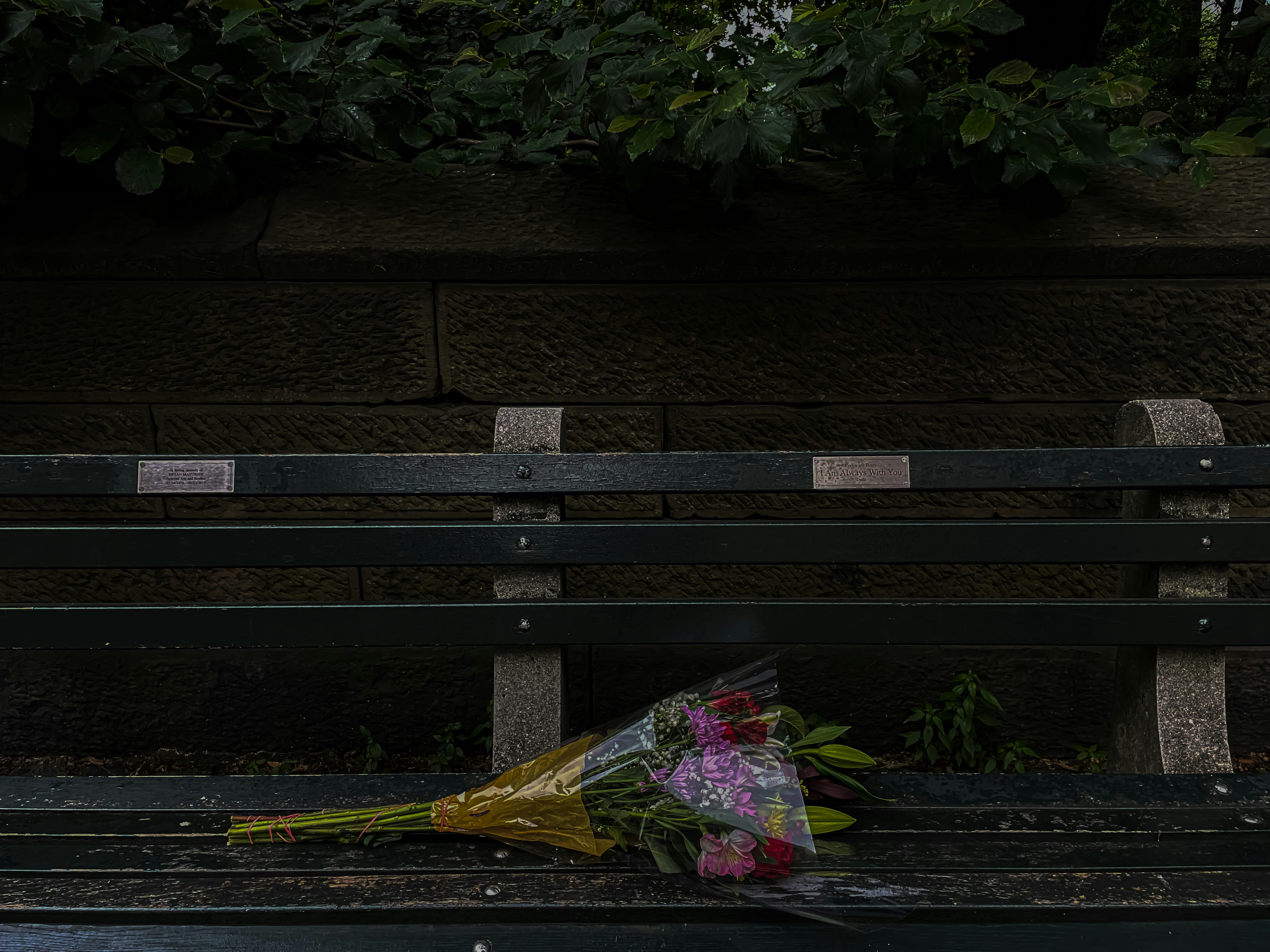
Maybe that’s why we created religion. Ritual. Funeral rites. Not just to honour the dead, but to protect the living from the full force of that fragility. We wrap loss in structure. We call it heaven, or legacy, or “a better place.” And maybe all of that is true. But maybe it’s also a way of holding back the terror that none of this is guaranteed.
During the first COVID lockdown, I became addicted to the news. Not just the headlines – the numbers, clicking for updates on the live feed every few minutes. The death toll. Every evening I watched the government briefings like they were some kind of bleak ritual. I remember people calling Rishi Sunak “Dishi Rishi”, like we were extras in a bizarre spin-off of Love Island: Lockdown Edition. I wasn’t looking for information. I was trying to find control. Meaning. A structure for something that had none. It felt like witnessing a vast, disjointed wake – millions trying to process loss collectively, yet isolated in their screens, grasping for rituals in the absence of touch.
The world was trying to grieve in real time. And I didn’t want to miss it.
Grief as Human Instinct
“Grief is not a disorder, a disease or a sign of weakness,” wrote Earl Grollman. “It is an emotional, physical and spiritual necessity, the price you pay for love. The only cure for grief is to grieve.”
And we do – not just alone, but together. Because grief, like firelight and storytelling, is something humans have always shared. Our earliest ancestors mourned together in caves. They buried their dead with beads and stones. It wasn’t just about memory – it was survival. Shared mourning reinforced the tribe. It said: we are still here. It created meaning from chaos.
These early grief rituals weren’t just spiritual. They were evolutionary. Mourning kept communities bonded. It taught empathy. It reminded people who they belonged to. Even now, in our algorithmic age, we build vigils, tributes, and minute silences like we’re trying to code a spell against chaos. Today, our vigils are digital. Our shrines are stadiums and hashtags. But the need is unchanged.
When the World Mourns the Infamous
There’s another kind of public death that disturbs us differently: the passing of someone hated, divisive, or destructive. When a dictator dies, or a public figure whose actions harmed others – what happens to grief then?
Sometimes there’s celebration. Relief. Sometimes silence. Sometimes arguments online. When such a person dies, our rituals fracture. We no longer agree on whether it’s a loss at all. And yet, even in that rupture, we see the shape of mourning. A reckoning with legacy. A forced confrontation with history. Even the absence of grief is its own kind of emotional noise.
Death doesn’t erase controversy – sometimes it magnifies it. The obituary becomes a battleground. Twitter becomes a courtroom. Everyone’s a part-time historian, full-time keyboard gladiator, ready to drop a thread and throw a punch.
When Margaret Thatcher passed away in 2013, Britain seemed split down the middle. There were heartfelt tributes, but also street parties celebrating her death. Even the music charts briefly filled up with protest songs. It wasn’t just disagreement – it was emotional dissonance. Some mourned a leader. Others mourned what her leadership had cost.
There’s a haunting story from 2002. A British man named John Darwin faked his own death in a canoeing accident so his wife could claim the life insurance. For five years, his family believed he was gone. Grieved him. Only for him to reappear, alive and well. The grief had been real – but the death hadn’t. What followed wasn’t relief. It was betrayal. Fury. Grief that got mugged, ghosted, and came back wearing resentment and a fake moustache.
When people die, we search for meaning. But when the death is false, the meaning collapses. That, too, is part of grief’s fragile machinery.
In my work with people experiencing homelessness and substance misuse, I’ve known individuals who died with no one left in their corner. Estranged from family, long detached from friends, they passed away without a single mourner. No tributes. No flowers. Sometimes no funeral at all – or just one arranged by the local authority, attended only by a support worker or a stretched outreach team.
I remember sitting at one such funeral, in a chapel that echoed with its own emptiness, and thinking: how can a life so full of suffering – end so quietly?
And then I contrast that with the outpouring of grief for someone like Princess Diana, or Diogo Jota, or Jade Goody – all public figures whose deaths became cultural events. I don’t say this to diminish their significance. But it does make me wonder: what do we really mourn? And who gets to be mourned publicly?
I should mention here a situation that left a mark on me, and that I will never forget. I once worked in a care home when an elderly woman passed away. Her family hadn’t visited for a number of years. I met them at the door, spoke gently, and guided them to her room, trying to offer the kind of quiet respect the moment called for.
But as soon as they stepped inside, the tone changed.
“Check the drawers. Look for a Post Office book. Any bank cards – check under the bed.”
They weren’t grieving. They were on a treasure hunt with zero shame and even less subtlety. It was a grotesque inversion of the public vigils – where Anfield's scarves spoke of collective loss, these rifled drawers screamed only of private gain. And in that moment, I saw another truth about death. It doesn't just reveal love; it can expose relationships long withered. Priorities laid brutally bare. Priorities we’d rather not name.
Living With It
Grief doesn’t go away. It just changes shape. At first, it’s sharp and everywhere. Then it softens, becomes duller, more spread out. You trip over it less. But it never truly leaves. It comes in waves. Unexpectedly. Uninvited. Sometimes after years of quiet.
If there’s one thing I’ve learned – in writing, in working, in life – it’s this: you don’t fix grief. You learn to live with it. You grow your life around it.
What helps? Time. People who aren’t afraid to say the name. A chant in a stadium. A candle on a cold wall. Maybe even something imperfect, like a football shirt on a gatepost, or a bad poem left in biro on a bus stop.
If you’re grieving – someone close, someone distant, someone you only knew through a screen – and it feels messy? Good.
And maybe, when the phone buzzes again – and the headline feels like a punch – you’ll remember that grief, even for a stranger, is proof of connection. Of life felt deeply. Of something – or someone – that mattered.
This was such a thought provoking read, handling a topic such as grief usually makes a post very hard to read (and sometimes it should be hard) but the way you’ve spoken in such a careful and comforting way or simply exploring grief from the example you used of a death of a someone famous was gentle yet deep. Thank you for sharing
Hey.. this was too good. I mean I honestly never thought abt things this way and this whole post brought tears in my eyes. I had a period of grieve and it was just weird, I never cried..neither sad nor showed any emotions. I was just still and it felt like I became stone. If anyone asks me what happened back then with me, I don't think I will be able to answer. Maybe it was just pure shock I was 10 after all..or maybe it wasn't. I don't know but I am so glad you wrote this. This is the kind of thing I will never be able to forget. It may have answered some questions I asked back then.
Thanks again❤️