

false front (part 2) porchlight
She told her husband she was saving lives. In truth, she was risking his.

Thursday, 30 April 2020
As she locked the car, she realised she hadn’t brought her mask. It was the first thing her husband asked her every night: “You remembered your mask, didn’t you?” David never did.
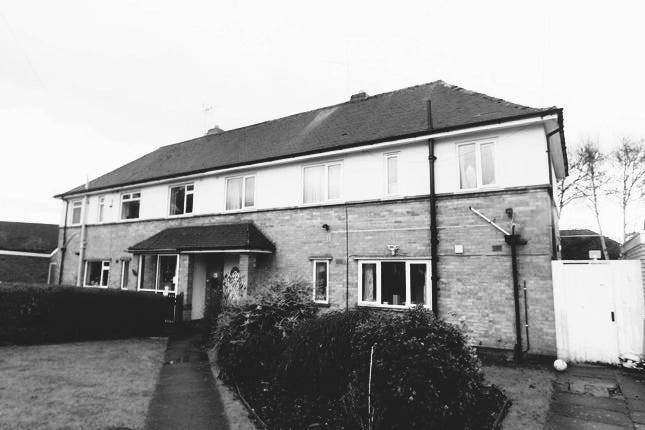
She stood for a moment under the rain, keys in hand, feeling it slip beneath her collar like a warning. The porch light was on again. She hated that—not because it made her feel seen, but because it made her feel expected. Even her secret life had grown a schedule.
Coming here used to feel like stepping into a more alive version of herself. She would rehearse lines in the car, touch up her lipstick in the rear-view mirror, check her teeth. Now she just trudged down the path, already weary, and waited for the door to open.
He didn’t meet her at the door any more. That had faded. These days, she let herself in.
The hallway smelt faintly of toast and something synthetic—air freshener, or possibly washing tablets. Too clean. She stepped out of her wet shoes and unzipped the jacket, trying not to shiver.
“All right?” David’s voice came from the kitchen. There was no edge to it. No warmth either. Just a flat familiarity, like a radio left on in another room.
She made a sound—not quite an answer—and walked through.
He was already sitting at the small table, flicking through his phone, two slices of toast untouched on the plate beside him. She could see he’d used the good butter. That would have meant something to her, once.
“Still raining?” he asked, without looking up.
She nodded, sitting across from him. There were crumbs on the table. She brushed them aside with her sleeve.
They didn’t kiss. They hadn’t for a while.
He put his phone down and looked at her properly. His eyes searched hers, but not that deeply.
“You all right?”
She could have said yes. Could have made a joke, or said something about the clapping. But her throat was still tight with the echo of it.
She picked up the toast and took a bite. It was cold. She chewed slowly. The clock ticked like it was keeping score.
Once, this room had represented life and escape. Now it felt like the waiting room of her own lie—neutral walls, filtered light, two people who didn’t understand how they’d ended up here. And neither brave enough to say it out loud.
Outside, rain smacked against the window.
“You’re quiet tonight,” David said.
“Just tired,” she answered.
He nodded. He didn’t press.
But something had shifted. She could feel it—brittle and obvious.
They still saw each other as often, but the form of the visits had changed. The closeness had been peeled back—a little more each time. David had started keeping more distance, speaking more cautiously. Talking about risk. Shielding his mother. He wore masks now, but only on the doorstep. He didn’t touch her face any more. Sometimes, like now, he barely touched her at all.
It wasn’t just about the virus.
She knew the arrangement made him nervous now—not just the risk of illness, but the risk of being caught, being fined, being seen. What once felt like freedom now felt like trespass. Every knock at the door, every police siren in the distance, made his eyes flick towards the window. They ate with the blinds closed. He’d started sanitising the doorknobs after she left.
They both knew this couldn’t go on. But neither of them knew how to bring it to a close. There was no grand finale here. Just the slow unravelling of something that once felt like rescue.
She thought about the street again. The clapping. Thomas’s voice calling her name like she was someone worth cheering for. The woman in the yellow raincoat who saluted. Geoff’s silhouette behind the glass, mug in hand.
She didn’t tell David any of it.
There was no point. It didn’t belong here. This room wouldn’t know what to do with that kind of energy.
She still wanted to be a good person. Not perfect, but kind. Loyal. The sort who walked neighbours’ dogs when they were ill, who remembered birthdays, who always took the trolley back to the bay.
Now she held petrol pumps with gloved hands, kept her breath shallow in corridors, timed her visits for when the neighbours were least likely to be out. She washed her hands at David’s sink and tried not to think about what she might be carrying.
They weren’t teenagers. COVID wasn’t a rumour to them—it was a risk. Real, clinical. They both knew people who’d been hospitalised. She sometimes lay in David’s bed and wondered if Geoff would die because of her. If she might bring it back to him tucked into the fabric of her jacket. If this—the toast, the bed, the quiet hours in someone else’s house, the betrayal—might add insult to injury and cost him his life.
The thought made her chest ache.
She finished the toast, bit by tasteless bit, and asked if he had made tea.
He had. She drank it slowly, holding the mug between her palms for warmth.
They spoke a little after that. Not much. Talk that passed the time without penetrating it. Talk that makes silence louder.
Later, in bed, she lay awake long after he’d started snoring, and wondered what it would be like to clap for herself.
Not for what she pretended to be.
But for surviving it all anyway.