
calm front
A story about the pressure to conform to social norms, and the profound difference between loneliness and the peace of solitude. Sometimes, the world has to turn upside down for a person to fit in.

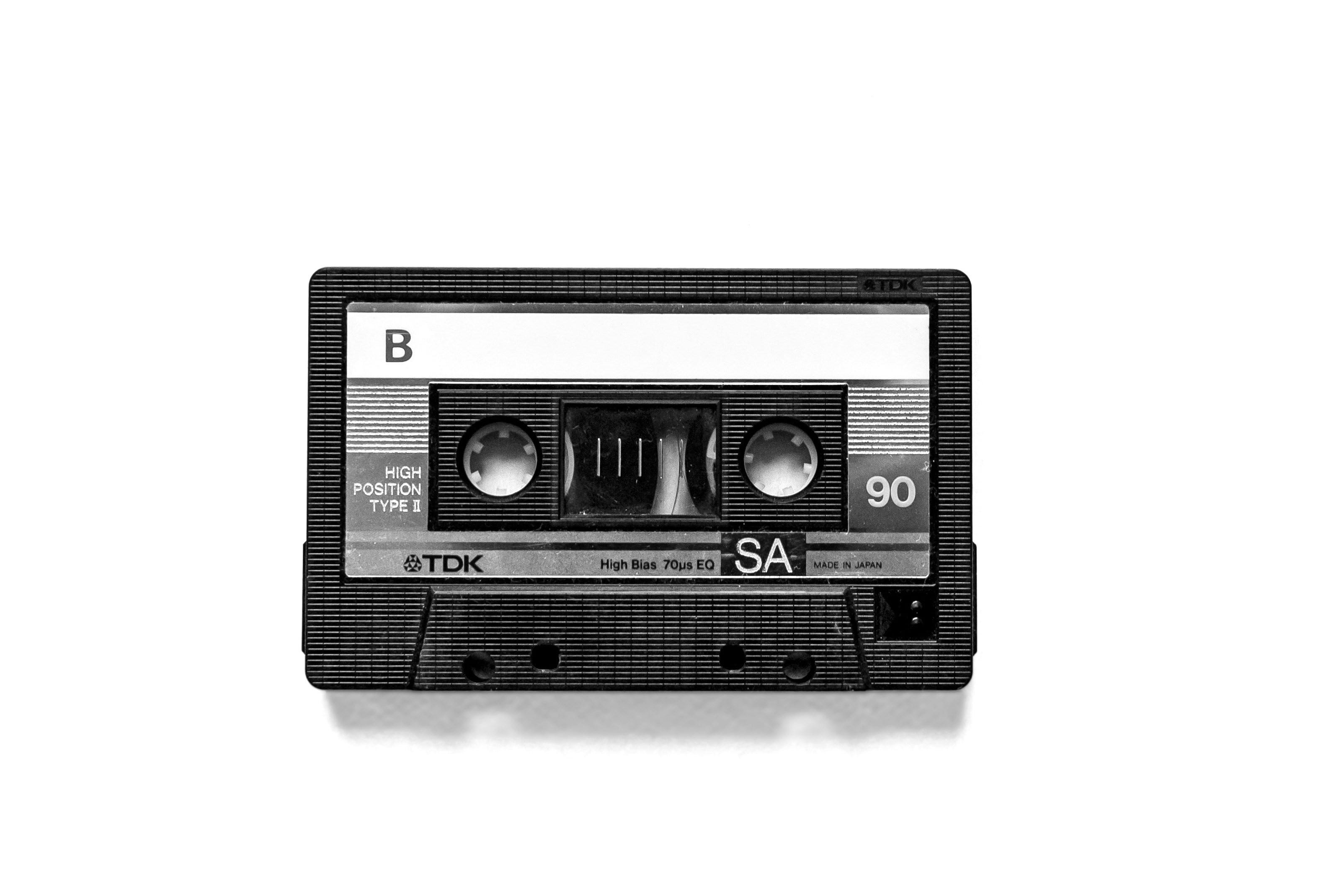
The cassettes filled three shoeboxes under the window, each spine marked with her careful script: “Market, Saturday Morning, 2015.” “Bus 42, March 2006.” “Schoolyard, Autumn, 2011.” They were stacked like bricks, a private wall of memory, not her memories but the city’s. The labels had faded in places, smudged where her pen had paused too long, but the order was precise: a chronology of noise.
The present was noiseless. The stairwell was plastered with leaflets about “essential journeys only” and “two metres apart.” Neighbours passed in masks, nodding with their eyes, their faces halved. The news showed people brawling over toilet rolls, shelves stripped of pasta, tempers short as oxygen. Panic, they called it. She thought of it instead as people discovering, too suddenly, the fundamental strangeness of being alone.
She pulled one tape from the box. “Café, February 2018.” The case clicked, the play button clunked, and then the world returned: spoons chiming against porcelain, a milk steamer hissing, the throb of overlapping voices. A busker outside wheezed a tune on an accordion, the notes cheerful but slightly off-key. She closed her eyes and almost laughed at the texture of it, at how much sound pressed into such a small space.
She remembered that morning. A woman from work had insisted she join her for coffee. She had sat at the edge of the table, smiling at the right moments, nodding dutifully, but the noise was unbearable: chairs scraping, voices colliding, the air itself vibrating with demand, the cloying smell of sugar and spilled latte soaking into her clothes. She had left early, inventing a headache, walking home with relief pooling in her chest. Her mother had sighed later, when she admitted it: “You have to try, love. You can’t just sit on your own in your flat forever.”
It hadn’t been the only attempt. There had been pubs, sticky glasses sweating in her hands, her ears aching from the bass that rattled the floorboards. There had been blind dates, where she shouted across tables, smiling until her cheeks ached, while her mind quietly begged for escape. Once she had walked out of a family dinner halfway through dessert, overwhelmed by the chatter, the television blaring in the corner, her uncle’s scraping laugh. Her sister had hissed at her afterwards: “You make it so hard for Mum. Can’t you just fit in?”
The tape clicked to an end. Silence pressed in. The refrigerator hummed softly, but beyond it was a vacancy so complete it felt like altitude. She took off the headphones and the change was vertiginous. No chatter. No scraping chairs. Just the emptiness of lockdown.
And then, a sound.
She crossed barefoot to the window. A blackbird was perched on a chimney opposite, its call slicing through the morning with startling clarity. It seemed louder than it had any right to be, echoing down the street as though amplified. The air smelled different, too—less like petrol fumes and takeaway oil, and more of something she could only call green.
She leaned on the sill and breathed. This was not emptiness; it was a clearing. A front of calm sweeping across the city, across her life, flattening the noise she had once fought against.
Her phone vibrated on the floor. It was her sister.
“They’re saying the shelves are empty again. Flour, of all things. Can you believe it? I don’t know how I’m going to keep the kids busy. Honestly, I feel like I’m going mad.”
She listened, murmured politely, let the stream of panic run past her. She remembered her sister’s voice before all this, teasing: “You spend too much time on your own. It’s not natural.” Now the same sister was fraying under solitude, while she felt stronger than ever.
After the call, she took up her recorder, a small black box with a cracked plastic case. She held it out of the window; the microphone angled toward the bird. The blackbird sang on, tireless, its song sharp and fluid. Behind it, nothing: no buses, no shouting, only a faint ambulance siren carrying far across the emptied streets.
She clicked the button. Red light. Recording.
Later, she slid the new tape into a case and bent over it with her pen. Her handwriting was slow, deliberate: “April 2020 — Blackbird over empty street.”
The next morning, she ventured down to the courtyard, holding the recorder out as if it were an offering. The concrete was damp from an overnight shower. Somewhere a fox barked, quick and sharp, then silence stretched again, heavy as cloth. She captured it all.
On the stairs, a neighbour stopped her. “Sorry, but—what are you doing with that thing?” His voice was curious but edged with suspicion.
She hesitated, then said simply, “Listening.”
Later, she saw him again, restless, pacing the stairwell. On a whim, she rewound the blackbird tape and handed him the headphones. He looked sceptical but slid them on. His jaw clenched at first, arms folded defensively. Then, slowly, his shoulders eased. His eyes lifted toward the ceiling as if he could see the bird through the plaster. For a long moment he was motionless, listening, the deep furrow in his brow gradually smoothing away. When he pulled the headphones off, his expression was softer, almost dazed.
“I never realised it was so loud,” he said. “Or so…beautiful.”
She smiled.
Back in her flat, evening settling like a freshly washed soft blanket, she sat cross-legged among the shoeboxes. One by one she pressed play: the market, the bus, the crowded schoolyard, the café. Each tape was dense, chaotic, full of life. Then she stopped, pulled off the headphones, and let the present rush in: the layered hush, the slow drip of a tap, the distant trill of another bird.
Her family had always wanted her to live differently. To be more like them. She had tried. Standing in parties, swallowing the noise like medicine, counting the minutes until she could leave. She had forced smiles at work events, fumbled through awkward dates. None of it had stuck. She had thought, for years, that she was deficient. But now the world had bent, briefly, and maybe temporarily, into her shape.
She took a blank tape from the pile, slotted it into the case, and wrote in her steady hand: “The sound of healing, April 2020.”
She pressed record and let the calm front move through her, the city’s new quiet settling like a balm.
Thank you. This is beautiful, and I so relate to it!
Omg wow!